If a friend texts you “tm” and you’re left staring at your screen, you’re probably asking what TM means in text and most of the time, it stands for “trust me.” People drop it into a message to back up something they just said, almost like a little verbal handshake that says “I mean it.”
You’ll see TM show up most in casual texting, group chats, and comments on apps like Snapchat or TikTok, usually right after someone gives advice, shares an opinion, or makes a promise. It’s short, quick, and keeps the conversation moving without slowing things down. That’s a big reason people search for it.
The same two letters can also mean “text message” in a more literal sense, or even “trademark” in a business context. Reading the tone and the sentence around it usually makes the right meaning obvious pretty fast.
TM Meaning in Text
The most common meaning of TM in text is “Trust Me.” People use it when they want someone to believe what they’re saying or reassure them that their advice or opinion is reliable.
For example:
“TM, you’ll love this movie.”
In this sentence, the sender is simply saying, “Trust me, you’ll love this movie.”
TM is considered an internet abbreviation rather than traditional slang. It shortens a common phrase, making conversations faster and more casual.
However, TM doesn’t always mean “Trust Me.” Depending on the context, it may have several other meanings.
Common Meanings of TM
| Meaning | Where It’s Commonly Used |
| Trust Me | Texting, Snapchat, TikTok, WhatsApp |
| Too Much | Casual conversations and social media |
| Text Message | General communication |
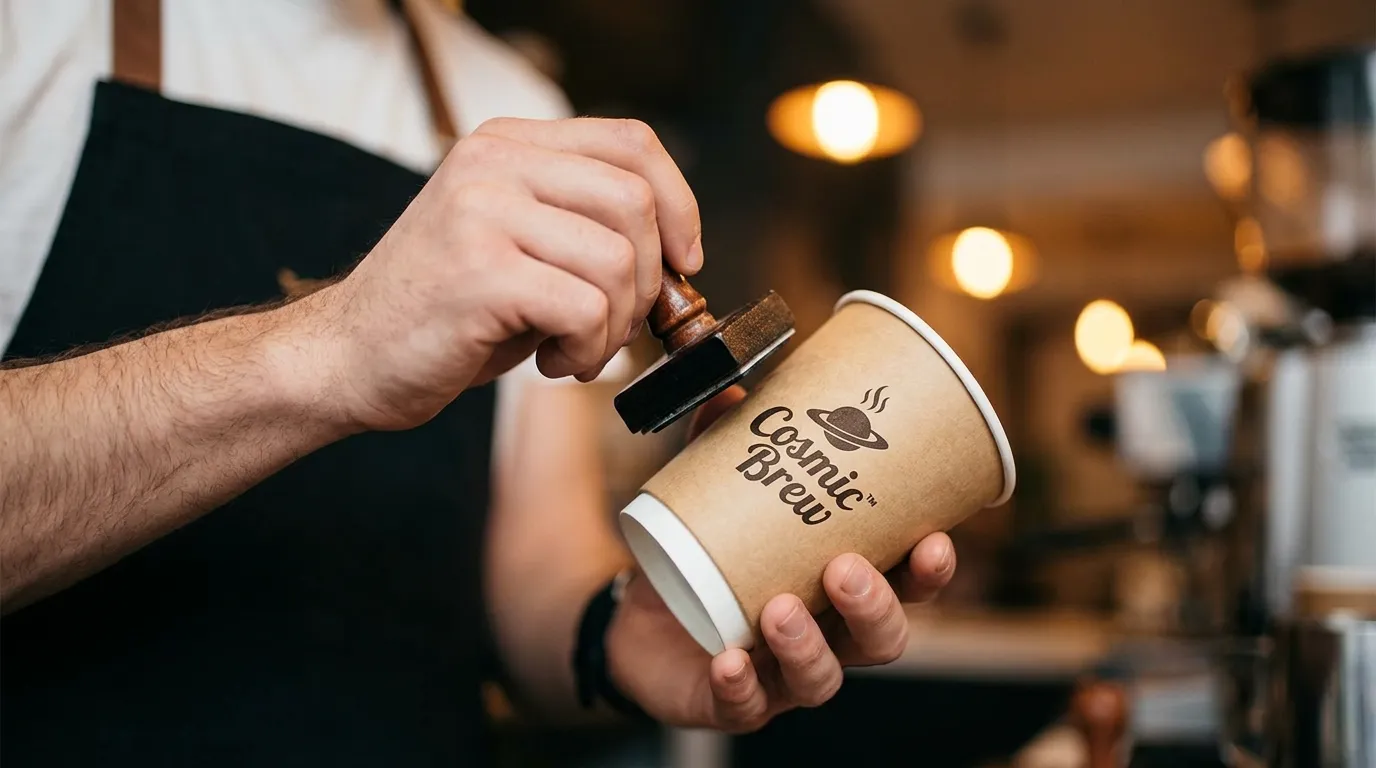
| Trademark | Business, brands, and legal discussions |
The surrounding conversation usually makes the intended meaning obvious.
TM as “Trust Me”
This is by far the most popular meaning among younger users.
Examples:
- TM, this restaurant has the best pizza.
- Just try it once TM.
- You’ll understand after watching the ending. TM.
In each example, TM simply asks the other person to trust the speaker.
Is TM Slang, an Acronym, or an Abbreviation?
TM is best described as an abbreviation or internet acronym.
Unlike slang words that develop new meanings over time, TM shortens existing phrases to make typing quicker.
People use abbreviations like:
- LOL
- BRB
- IMO
- IDC
- TM
These make online conversations faster without changing the overall meaning of the message.
What Does TM Mean in Everyday Chat?
In everyday conversations, TM usually adds confidence or reassurance.
Someone might say:
“TM, it’s worth buying.”
They’re simply expressing confidence in their recommendation.
Friends often use TM when:
- Giving advice
- Sharing recommendations
- Encouraging someone
- Making predictions
- Reassuring another person
It creates a friendly and casual tone rather than sounding formal.
Where People Use TM
TM appears across many social media platforms and messaging apps. Although the meaning stays similar, the way people use it can vary slightly depending on the platform.
TM on TikTok
TikTok creators often write TM in captions or comments to encourage viewers to believe their recommendation.
Examples:
- TM, this recipe actually works.
- Watch until the end TM.
- You’ll be obsessed with this song. TM.
Because TikTok trends spread quickly, abbreviations like TM have become part of everyday online language.
TM on Snapchat
Snapchat conversations are usually short and informal.
Friends may send messages like:
- TM, I’m almost there.
- It’ll be fun tonight. TM.
- Just open it later. TM.
The abbreviation keeps chats quick while adding a reassuring tone.
TM on Instagram
On Instagram, TM often appears in comments, stories, reels, or direct messages.
Examples include:
- TM, this outfit looks amazing.
- You’ll love this page.
- Best coffee in town—TM.
Influencers and everyday users alike use TM to make recommendations feel more personal.
TM on WhatsApp
WhatsApp conversations often involve family, friends, classmates, and coworkers.
Common examples include:
- TM, I’ll finish it today.
- You’ll enjoy the trip.
- TM, everything will be okay.
Because WhatsApp supports longer conversations, TM usually appears naturally within complete sentences.
TM in SMS Text Messages
Traditional text messages remain one of the most common places to see TM.
For example:
- TM, the interview will go well.
- Just wait a little longer. TM.
- You’ll thank me later.
People like using abbreviations because they save time while keeping conversations friendly.
Who Uses TM?
TM is popular among people of different ages, although its usage varies depending on the platform.
Gen Z
Gen Z uses TM regularly when chatting with friends, commenting on videos, or sharing recommendations online.
It fits naturally with other popular abbreviations such as:
- FR
- IMO
- TBH
- IDK
- IYKYK
Millennials
Many Millennials also use TM, especially in text messages and group chats.
However, they may type “trust me” in full during more formal conversations.
Older Adults
Older users are less likely to use TM unless they’re familiar with internet abbreviations through family, work, or social media.
When they do encounter TM, they often search online to confirm its meaning.
Common Platforms
TM is commonly seen on:
- TikTok
- Snapchat
- Facebook Messenger
- Discord
- X (formerly Twitter)
- SMS texting
Although it isn’t as common as abbreviations like LOL or BRB, TM appears regularly in casual online conversations.
Origin of the Term
The abbreviation TM has existed for many years, but its meaning has evolved depending on the context.
Historically, TM was widely recognized as the abbreviation for Trademark, appearing next to brand names and logos.
As online messaging became more popular, internet users began using TM as a shorter way of writing “Trust Me.” This informal usage spread through texting, gaming communities, social media, and messaging apps, where speed and convenience are important.
Unlike some internet slang that can be traced to a single platform, the exact origin of TM meaning “Trust Me” is unclear. It likely developed naturally as people looked for quicker ways to communicate.
Today, context determines whether TM refers to “Trust Me,” “Trademark,” or another meaning.
TM vs Other Popular Text Abbreviations
| Abbreviation | Meaning | Type | Common Usage | Popularity |
| TM | Trust Me | Abbreviation | Reassurance, advice, recommendations | Medium |
| IDK | I Don’t Know | Acronym | Expressing uncertainty | Very High |
| IDC | I Don’t Care | Acronym | Showing indifference | High |
| IMO | In My Opinion | Acronym | Sharing opinions | High |
| BRB | Be Right Back | Acronym | Temporary absence from chat | Very High |
Although all of these abbreviations make texting faster, each serves a different purpose. TM focuses on building confidence in what the speaker is saying, while others express opinions, uncertainty, or temporary absence.
Real Chat Examples
Here are five realistic conversations showing how TM is used naturally in everyday texting.
Example 1
A: Should I buy this phone?
B: TM, it’s worth the money.
A: Alright, I’ll order it today.
Example 2
A: Is the new café good?
B: TM, their coffee is amazing.
A: I’ll check it out this weekend.
Example 3
A: I’m nervous about the exam.
B: TM, you’ve studied enough.
A: Thanks, that makes me feel better.
Example 4
A: Is this series really that good?
B: TM, you’ll finish it in two days.
A: Now I’m excited to watch it.
Example 5
A: Should I apply for the internship?
B: Absolutely. TM, it’s a great opportunity.
A: Thanks for the encouragement.
More Real Chat Examples
Example 6
A: Do you think they’ll like my presentation?
B: TM, you’ve prepared really well.
A: I hope you’re right!
Example 7
A: Is this game actually fun?
B: TM, once you start playing, you won’t stop.
A: Downloading it now.
Example 8
A: Should I message her first?
B: TM, go for it.
A: Alright, wish me luck.
Example 9
A: Is the traffic really that bad?
B: TM, leave early.
A: Thanks for the heads-up.
Example 10
A: Do these shoes look good?
B: TM, they look great on you.
A: Thanks! I’ll buy them.
How to Reply When Someone Says “TM”
When someone uses TM (Trust Me), your reply depends on the conversation and your relationship with the sender. You can respond with humor, agreement, or simply acknowledge what they said.
Funny Replies
- I’ll blame you if you’re wrong. 😄
- That’s a bold promise!
- You better be right!
- I’ll hold you to that.
- Famous last words!
Casual Replies
- Okay, I trust you.
- Sounds good.
- I’ll give it a try.
- Thanks for the recommendation.
- Let’s see if you’re right.
Friendly Replies
- Thanks, I appreciate it.
- You’ve convinced me.
- I’ll take your advice.
- Good to know!
- You’re usually right.
Neutral Replies
- Understood.
- I’ll consider it.
- Thanks for letting me know.
- I’ll keep that in mind.
- Noted.
Is TM Rude or Offensive?
No. TM is generally not considered rude or offensive.
When it means “Trust Me,” it’s simply a casual way of reassuring someone. Most people use it in friendly conversations with friends, family members, classmates, or online communities.
However, context always matters.
For example:
- “TM, this movie is amazing.” ✅ Friendly
- “TM, stop asking questions.” ⚠️ Could sound dismissive depending on tone.
Because text messages don’t include facial expressions or voice tone, misunderstandings can happen. If you’re speaking with a teacher, manager, client, or someone in a professional setting, it’s usually better to write “trust me” instead of using the abbreviation.
Is TM Safe to Use?
Yes. TM is safe to use in:
- Personal text messages
- Group chats
- Social media comments
- Gaming communities
- Casual online conversations
For business emails, school assignments, or formal communication, writing the full phrase is a better choice.
Real-World Usage Example
Imagine you’re planning a weekend trip with friends.
One friend asks:
“Is that hiking trail really worth the drive?”
Another replies:
“TM, the views are incredible.”
Here, TM simply means “Trust Me.” The speaker is confidently recommending the location based on personal experience. This is one of the most common ways people use TM in everyday conversations.
FAQs:
What does TM mean in text messages?
In most text conversations, TM means “Trust Me.” Depending on the context, it can also mean “Too Much,” “Text Message,” or “Trademark.”
What does TM mean on TikTok?
On TikTok, TM usually stands for “Trust Me.” Creators often use it when recommending products, songs, movies, recipes, or trends.
Is TM slang?
TM is better described as an internet abbreviation or acronym rather than traditional slang. It shortens a common phrase to make conversations quicker.
Is TM rude or offensive?
No. TM is generally polite and friendly. It only sounds rude if it’s used in a negative or sarcastic context.
How should you reply to TM?
You can reply with phrases like:
- “Okay, I trust you.”
- “I’ll give it a try.”
- “Thanks!”
- “Let’s see.”
- “Hope you’re right!”
Choose a response that matches the tone of the conversation.
Final Thoughts:
Now that you know what TM means in text, you’ll be able to recognize it with confidence across texting, TikTok, Snapchat, Instagram, WhatsApp, and other social platforms.
In most situations, TM simply means “Trust Me.” It’s a quick and friendly way to reassure someone, recommend something, or express confidence. However, because abbreviations can have multiple meanings, always consider the surrounding conversation before deciding what TM represents.
If you’re chatting with friends or commenting on social media, TM is perfectly natural to use. In formal emails, workplace communication, or academic writing, it’s usually better to spell out “trust me” to avoid confusion.
Understanding internet abbreviations like TM makes online conversations easier to follow and helps you communicate more naturally in today’s digital world.

Sarah Thompson is a passionate Bible researcher and Christian content writer at meanspaces.com dedicated to helping readers discover the deeper meaning of Scripture through clear and insightful explanations.